Big Bend
Leak Detection in Big Bend
Leak Detection in Big Bend from an estimated $150. Most visits run an estimated $150 to $400: name the water, find its source, say whose pipe it is.
- Repairs priced apart from the finding
- Told plainly when the water is not a leak
- A free quote by phone, a written quote before the visit
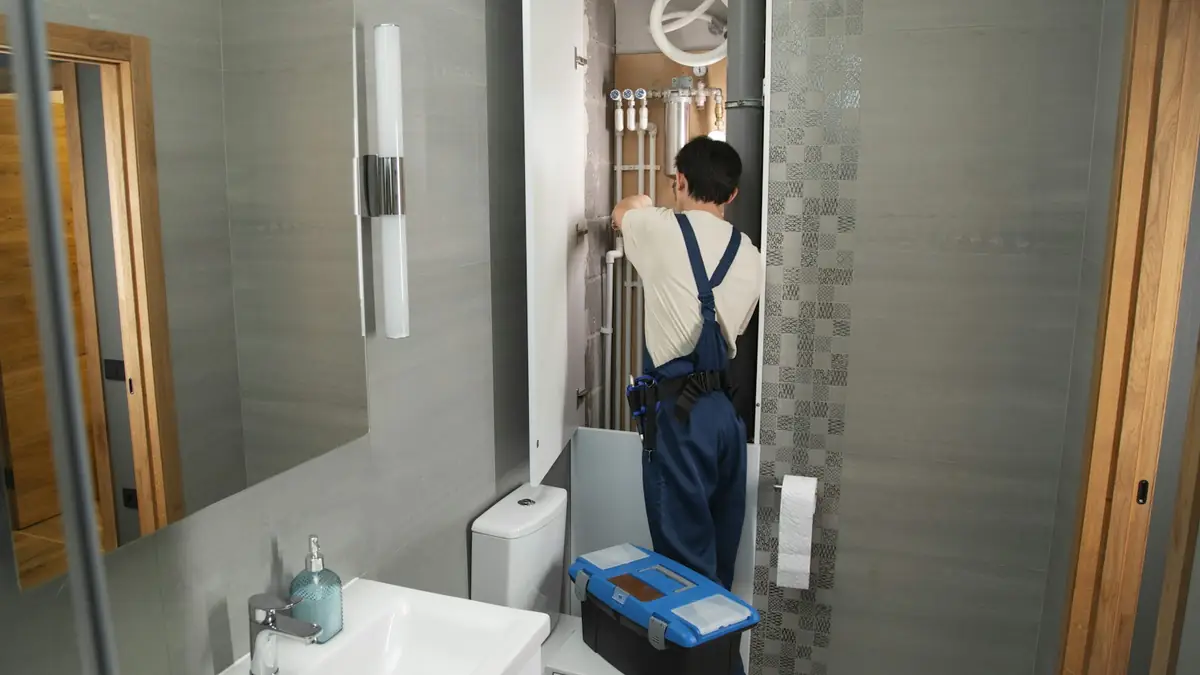
What the visit settles
- Supply, sewer, ground or river
- Your pipe or the city's
- The spot, marked in writing
Estimated visit$150‑400
Local crew
Big Bend and its streets, not a call center
Local knowledge
River bend, 2013 evacuation streets
Detection, scoped before priced
The finding written down, not a summary
IDPH
License number on every written quote
Big Bend
Leak Detection in Big Bend: what actually fails
In Big Bend, water in a basement already has a famous explanation. The subdivision sits on a sharp bend of the Des Plaines and four of its streets were evacuated in April 2013, when the river set its record at the city's gauge, and buyouts have been clearing lots ever since. Leak detection in Big Bend exists for the opposite case: water that arrives when the river is low and the weather is dry, which no flood measure here was designed for and which only a failing pipe on Big Bend Drive, Hawthorne Lane or Junior Terrace explains.
Locating is the whole visit. Detection is quoted on its own, the repair is a separate written quote from us or any plumber you pick, and the finding, a marked spot with the evidence behind it, is yours to take either way.
- River level on the day written down first
- Water strip-tested before it is pumped out
- Dry-weather water treated as a supply suspect
- Flooded basements checked for a second source
The river is a suspect, not a verdict.
What happens
What happens during Leak Detection in Big Bend
Each rules out a source, and the last one points at whose pipe it is.
- 1
Compare the inside dial with the bill
On city water, meters are read every two months through a remote reader outside. A stalled reader can make a catch-up bill look like a leak, which is why the city asks for an inside reading once a year.
- 2
Turn everything off and watch the dial
- 3
Close the water heater's cold inlet
- 4
Look where the pipe comes in
The service line enters through the foundation near the meter. Damp concrete there on a dry day points at the buried stretch outside rather than the plumbing in the house.

Big Bend
Leak Detection in Big Bend: what is different here
A 1970s subdivision around Big Bend Lake and Big Bend Drive, on a sharp bend of the Des Plaines River. In April 2013 the city evacuated Big Bend Drive, Hawthorne Lane, Hawthorne Terrace and Junior Terrace.
Where a house has taken river water before, every wet basement gets blamed on the river. A supply leak that starts in a dry month looks the same on the floor, and it is the one problem here that the river cannot explain.
- Estimated range, detection
- $150‑400
- Code depth, service line
- 5 ft
- Service lines, 2025 count
- 16,665
Costs
What Leak Detection in Big Bend costs
Most houses here land between an estimated $150 and $400 for detection. Where it lands depends on how many of the four sources are still open when we arrive, which is why the questions on the phone come first.
Leak Detection
$150 - $400
Estimated - same or next workday
- Supply, sewer or ground water named
- City side or owner side settled
- Source located and marked
- Repair priced as its own quote
Water Line Leak Detection
$150 - $400
Estimated - same or next workday
- Curb box and entry both listened at
- Pipe material noted at the wall
- Five-foot depth planned for
- Owner of the leaking stretch named
Basement Leak Detection
$150 - $400
Estimated - same or next workday
- Disinfectant strip on the water
- Floor drain and wall joint checked
- Service entry listened at
- Told when it is not plumbing
These are estimated ranges the trade publishes, not a price for your house. Yours is a written quote once somebody has seen the job.
The route
From first call to finished: Big Bend
Which water it is and whose pipe it is, settled before anything gets opened.
- 1
Call and describe the water
Where it is, when it appears, whether it follows rain, and what the meter does with everything off. That usually rules out a source or two before anyone drives over.
- 2
Get the figure in writing
The estimated range becomes a written quote for the visit, with any after-hours charge said up front. Nothing starts until you agree it.
- 3
We isolate, then listen
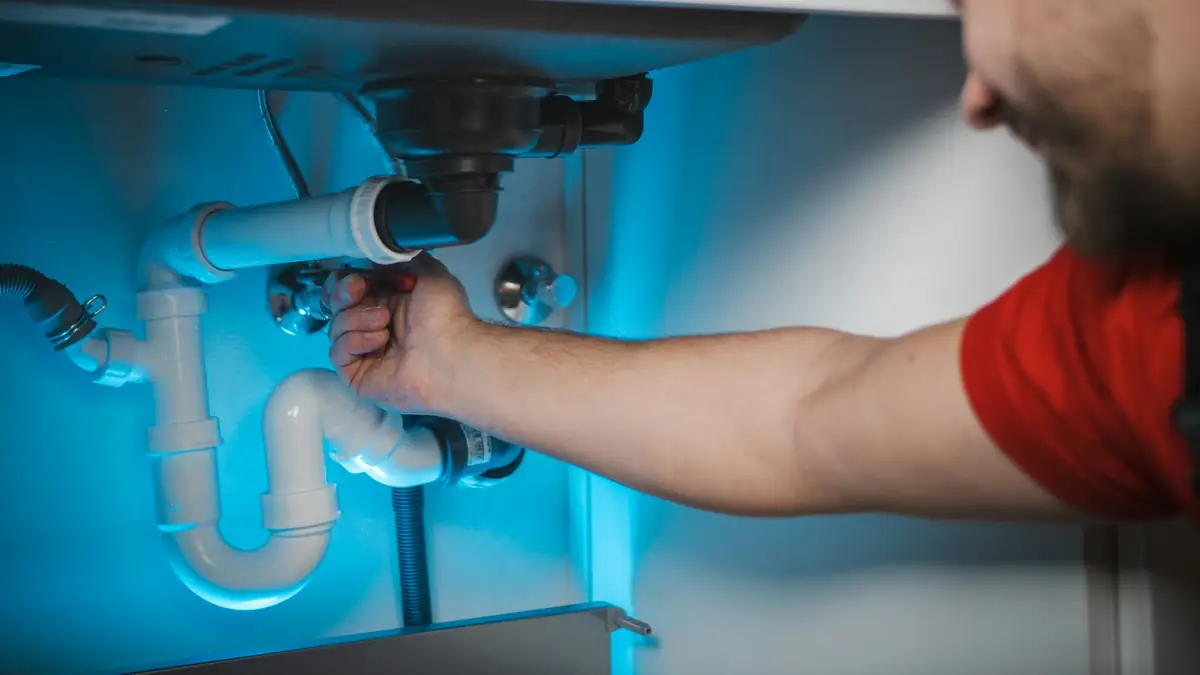
Hot side against cold, house against service line, supply against drain. Then the equipment the isolation points to: acoustic, thermal, moisture or tracer gas.
- 4
You keep the finding
The spot marked, how it was found, the pipe material and which side of the curb box it falls on, in writing, for any plumber you like.
Need Leak Detection in Big Bend?
Most visits run an estimated $150 to $400: name the water, find its source, say whose pipe it is.
Coverage
Where in Big Bend we work
Houses that have taken river water can hide a slower supply leak under the obvious cause. Checking for it in a dry week, instead of assuming the river, is a short visit at the low end of the estimated range.
- Leak Detection in Des Plaines
- Leak Detection in Downtown Des Plaines
- Leak Detection in Riverview
- Leak Detection in Orchard Place
- Leak Detection in Cumberland
- Leak Detection in Des Plaines Manor
- Leak Detection in Lake Opeka
- Leak Detection in High Ridge Knolls
- Leak Detection in Waycinden Park
- Leak Detection in Kylemore Greens
Questions
Questions about Leak Detection in Big Bend
Something not covered here?
Put it to us by phone. Plain answers, an estimated range and nothing to sign.
Call (847) 787-9427How to find a water leak that isn't visible?
Isolate first, then bring the equipment. Shutting sections off one at a time tells you where to point it; acoustic listening, a thermal camera and a moisture meter then find it without opening anything.
What do plumbers use to detect water leaks?
Ground microphones, thermal cameras, moisture meters, pressure gauges and tracer gas, a hydrogen and nitrogen mix that rises through soil. Which one depends on where the pipe runs.
Why is my water bill all of a sudden so high?
Often because a reading caught up, not because a pipe broke. Des Plaines bills every two months from a remote reader outside the house, and the city asks owners with inside meters to call in an inside reading once a year, because a slow or stalled remote can under-record for months. Compare the dial on the meter with the reading on the bill first. If they match and the bill is still high, turn every fixture off and watch the low-flow indicator; movement means something inside is running. In Waycinden Park the bill comes from Illinois American, so ask it how your meter is read.
How do I find out where my water leak is coming from?
Split the plumbing in halves until one half is left. Fixtures off and the dial moving puts the loss inside; closing the water heater's cold inlet and seeing the dial stop puts it on the hot side; a few drops of food coloring in each toilet tank clears or convicts the toilets. If the dial never moves but water still appears where the service pipe enters through the foundation wall, the buried stretch before an inside meter is the suspect, and that part needs listening equipment, thermal imaging or tracer gas.
Who do you call for a leak in the basement?
Call whoever can tell you what kind of water it is, because the right trade depends on that. Clean water that turns up in dry weather is supply, and ours to find. Water rising through a floor drain is the sewer, and the city's Flood Rebate Program helps toward backwater valves and overhead sewers. Water at the joint between floor and wall after rain is a drainage job, and river water is the river. We will say which you have even when the answer is that you do not need us.
Book Leak Detection in Big Bend
One call gets you a written quote and the earliest arrival window for Big Bend. No forms, no waiting for a callback.
Talk to us
Talk to us about leak detection in Big Bend
Before you call
- River level on the day written down first
- Water strip-tested before it is pumped out
Where we work
Every area we cover